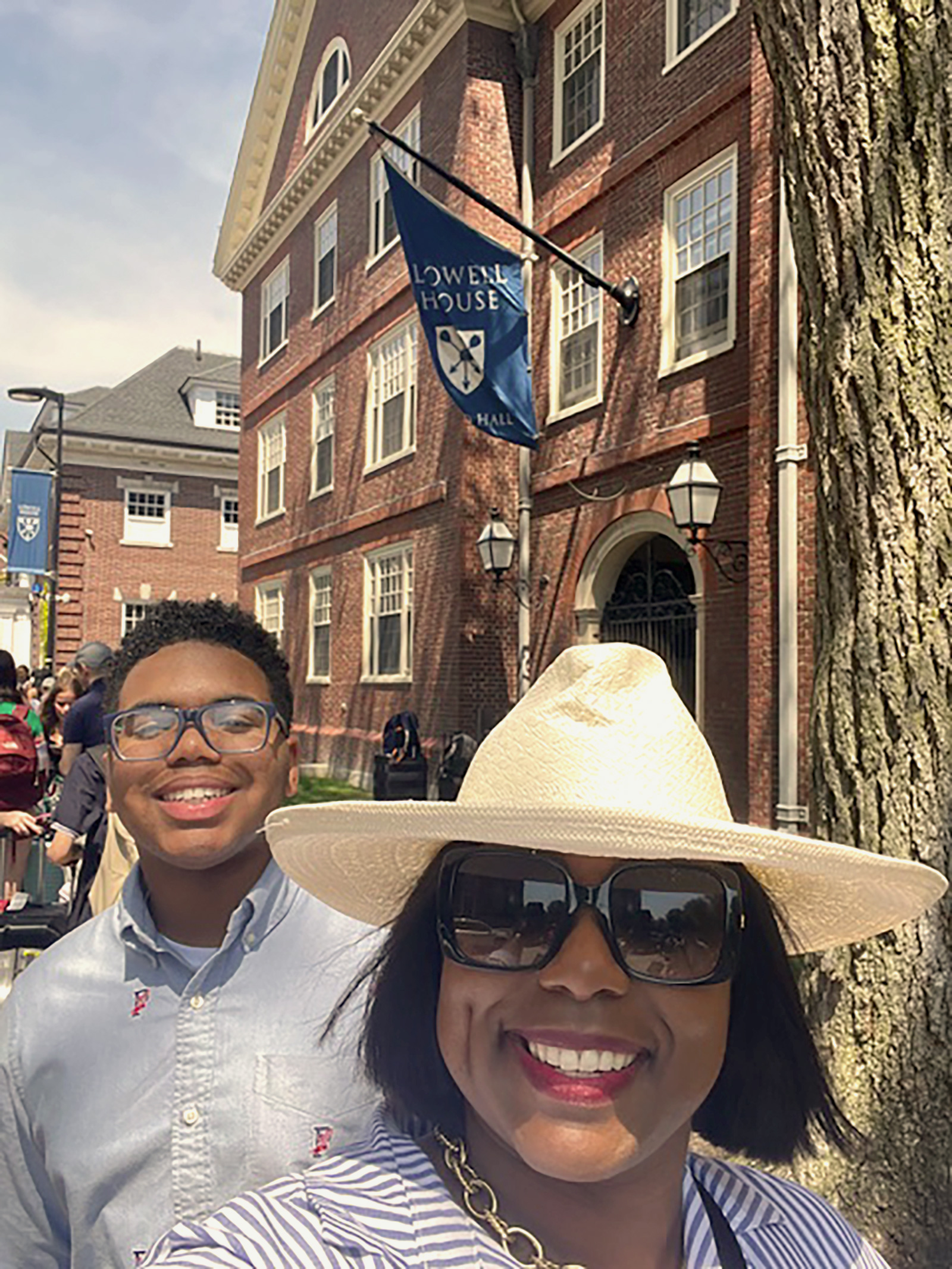
Each year, Harvard Summer School offers more than 200 courses to students around the world.
Learn more about six of our most popular courses — both new and returning — from the HSS catalog.
Intercultural and Global Competence
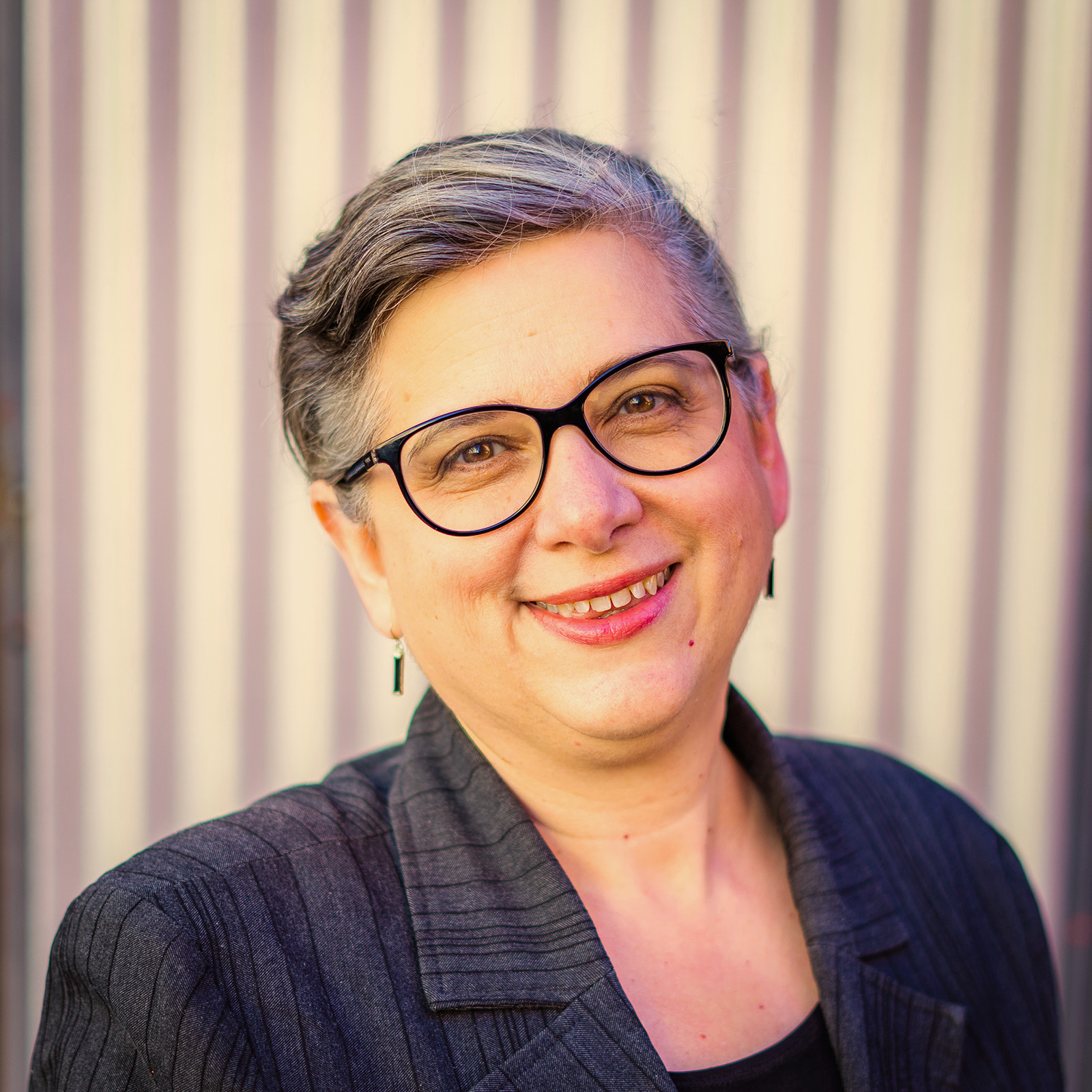
What I’ve loved most is hearing from students after the course who let me know they continue to use what they’ve learned and how they are passing it on to others — and even seeing my former students at international conferences!
UNESCO Chair on Intercultural Competence, Stellenbosch University
I designed this course curriculum based on current intercultural research, intercultural competence frameworks, and learning theories, all of which informed the course goals. I also took into account stated needs and interests of students to engage them actively in experiences designed to support their learning. Reflective learning is an important part of the course, as is engagement with each other and in the community.
The course is about Intercultural and Global Competence, not just in theory, but also what this looks like in one’s lived experience each day — how we show up in the world and relate to and connect with one another. Students walk away with greater insights into themselves as well practical mico-strategies for navigating differences, connecting more deeply with each other, and embracing our shared humanity.
I enjoy teaching this course at Harvard Summer School because of the opportunity to engage with such diverse students who come from all around the world. I also learn so much from them, too; intercultural competence is a lifelong journey for all of us.
Introduction to Computer Science with Python

Summer School students bring curiosity, ambition, and openness to new ideas, which makes the classroom especially dynamic — both online and in person. That energy is what keeps the experience rewarding year after year.
Associate Dean for IT and Chief Innovation Officer
Harvard Division of Continuing Education
The course is based on a long-standing Harvard College class that I also teach during the academic year, adapted for the unique pace and diversity of the Harvard Summer School classroom. In addition to introducing students to Python programming, the curriculum emphasizes the intellectual excitement and rich academic tradition of computer science, highlighting several of the field’s “great ideas,” and provides a strong conceptual foundation that supports a wide range of academic interests.
A central goal is for students to learn to “think algorithmically” — to break complex problems into manageable pieces and approach them systematically in order to implement them in Python. Students work with real data, draw inferences, make predictions, and critically evaluate the strengths and limitations of computational methods. Along the way, they also confront applied, theoretical, and ethical questions that arise in modern computing. Students will also explore how to use AI as an able assistant in debugging software that’s not producing correct results.
Over many years, I’ve been delighted to see several former Summer School students go on to attend Harvard College and later concentrate in computer science or engineering. One memorable example is a high school student from my course who later became a Director of Product Management at Facebook and went on to co-found Seesaw Learning, a widely used learning platform for young students. Examples like this underscore the lasting impact an introductory course can have.
After more than four decades of teaching summers at Harvard, what continues to motivate me is the opportunity to work with a remarkably diverse and highly motivated group of students from around the world.
Women Writers in Greater Mexico

I believe that having the opportunity to meet intensively over a short period of time creates a particular kind of rapport in the classroom, one that makes our discussions of the readings richer and denser — in the best possible way.
Assistant Professor of Romance Languages and Literatures (Spanish), Harvard University
When we say Mexico, a whole ready‑made image tends to pop up: tacos and mariachis, bright colors, a neatly bounded shape on the map flanked by two oceans. But literature and cultural studies teach us that a word that seems this simple is anything but. “Mexico” fractures into competing histories, identities, and power relations; it names not one stable thing, but a dense, contested field.
The same happens with “writer”: until only a few decades ago, adding “woman” in front of “writer” usually meant pointing out an exception — the odd woman out who dared to enter a supposedly masculine domain. These are exactly the kinds of easy, taken‑for‑granted labels that this course sets out to trouble.
From there, the course turns two apparently straightforward questions into problems: (1) What is a woman writer? and (2) What does it mean to write from something called a Mexican national identity? Under the rubric of “Greater Mexico,” we look not only at authors living within the nation‑state’s borders, but also at Mexican American and diasporic writers whose work complicates any fixed idea of where Mexico begins and ends.
Rather than treating “gender” and “nation” as neutral backdrops, we ask how these categories organize what gets read, taught, and valued — and what happens when we press on their limits. Who is allowed to count as a woman writer, and under what conditions? What versions of “Mexico” are being affirmed, contested, or erased in the texts we study?
If there is one thing I want students to take away, it is the habit of refusing automatic answers to deceptively simple questions — What is a writer? What is a nation? — while leaving with a rich repertoire of novels, short stories, poems, and essays that form a cornerstone for approaching Mexican, Mexican American, and Latin American literature.
Example topics and authors
- Foundational reflections on Mexican identity and the body
Octavio Paz, Américo Paredes, and Gloria Anzaldúa - Life writing and revolutionary testimonies
Madame Calderón de la Barca, Leonor Villegas de Magnón, and Nellie Campobello - Teachers, muses, and “cursis” (corny/kitschy subjects) as they carve out public and intellectual spaces
Antonieta Rivas Mercado, Gabriela Mistral, Rosario Sansores, and Cube Bonifant - Threshold figures who rethink femininity and authorship
Rosario Castellanos and Josefina Vicens - Women who dominate the press, the comic strip, and the interview
Yolanda Vargas Dulché and Elena Poniatowska - Feminist and conservative print cultures
revista fem and Claudia - Long‑distance and transnational families
Sandra Cisneros, and Bárbara Jacobs - “Pink” success and middle‑class femininities
Las niñas bien, Mujeres de ojos grandes, and Como agua para chocolate - Contemporary violence and mourning
Sara Uribe and Fernanda Melchor - Inherited traditions and genre‑bending experiments
Cristina Rivera Garza, Paulina Del Collado, and Inés Arredondo - Border‑crossing narratives and diasporic Mexicos
Valeria Luiselli, Ana Negri, and Mayte López - New feminisms and motherhood
Jazmina Barrera and Brenda Navarro - Gothic and horror rewritings
V. Castro and Silvia Moreno‑García - New platforms and poetic voices
Ariana Brown and Isabel Días Alanís
Africana Philosophy

It is an honor to teach the brightest and curious students from all over the world under the leadership of bright, competent and responsible professionals at Harvard. I am truly lucky to offer this course every summer.
Associate of the Hutchins Center for African and African American Research, Harvard University
Professor, Liberal Arts, Berklee College of Music
I designed the course to appeal to all students, professionals, and administrators who are curious about the origin of philosophy. I hope learners of all levels are global citizens who want to know about the origin of humankind in Kemet — origins that belong to all of us as human beings.
This course examines Africana philosophy as a field of study practiced by professional philosophers across history and around the world. Many students have previously learned that philosophy originated in Greece and are shocked to learn that Kemet — the ancient name of what is now known as Egypt — is actually the birthplace of philosophy. This knowledge is often transformational for them.
Anxiety and Creativity
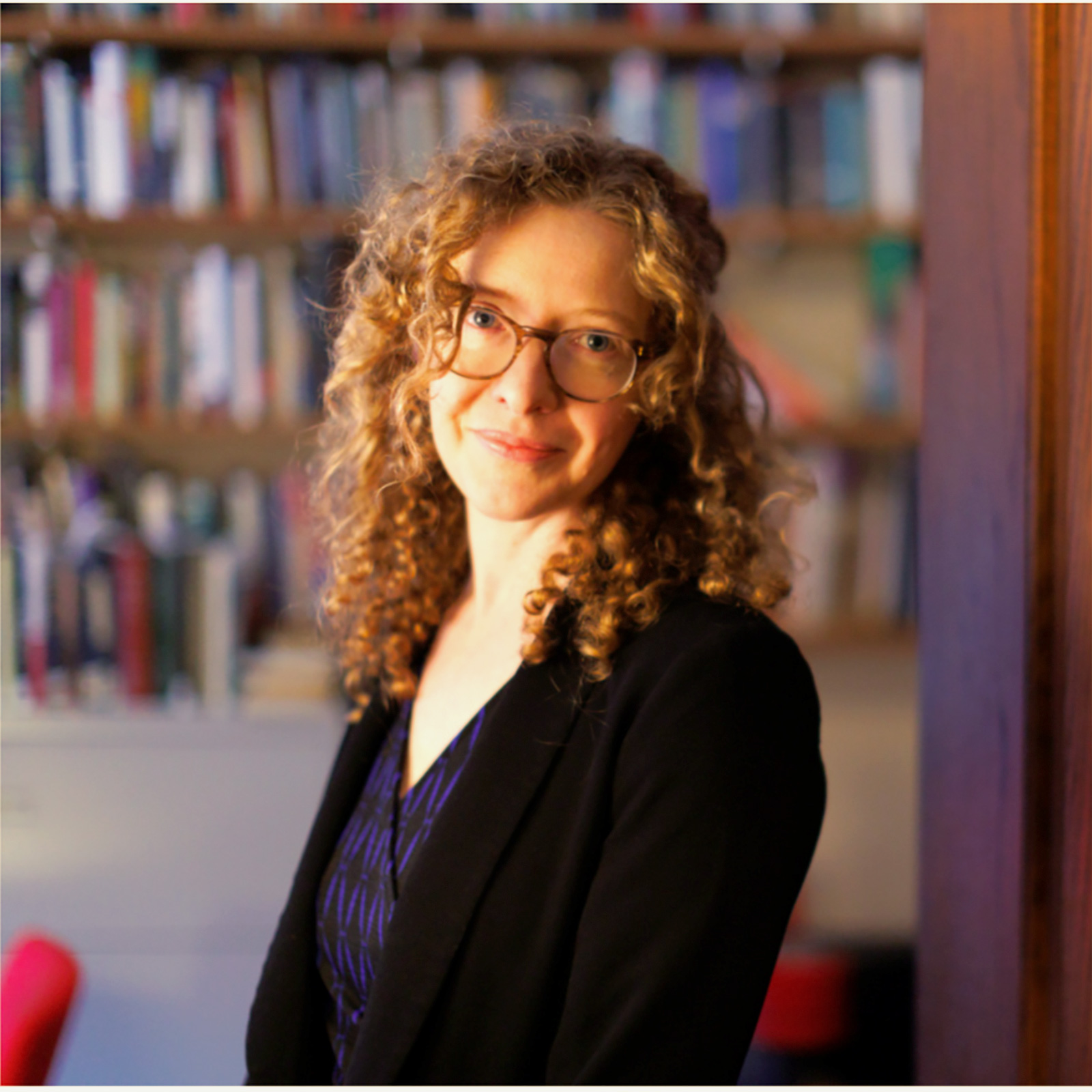
Teaching for Harvard Summer School is a valuable chance to connect with a variety of students and to benefit from their fresh perspectives on the longstanding philosophical topic of anxiety.
Professor of English, Harvard University
I designed this course to offer an overview of how some of the most important authors throughout history have used anxiety as a spur for creativity. I hope students will emerge from the class with a deeper understanding of literary history, and that it will also offer them models of how to find aesthetic inspiration in life’s difficulties.
This is the first summer I’m offering this course, but I also offer a slightly different version as a Harvard College class, which you can learn more about in an interview with The Harvard Advocate.
My Harvard College students appreciate the way that course improves their cultural literacy and gives them the ability to recognize the background of many of the therapeutic ideas we are surrounded by today, so that they can say, “that idea of connecting with nature comes from Romanticism,” and “that technique of being in the present comes from Buddhism and Stoicism.” This allows them to see how contemporary therapeutic culture at once extends and distorts classical philosophical and literary practices.
Global Shakespeare
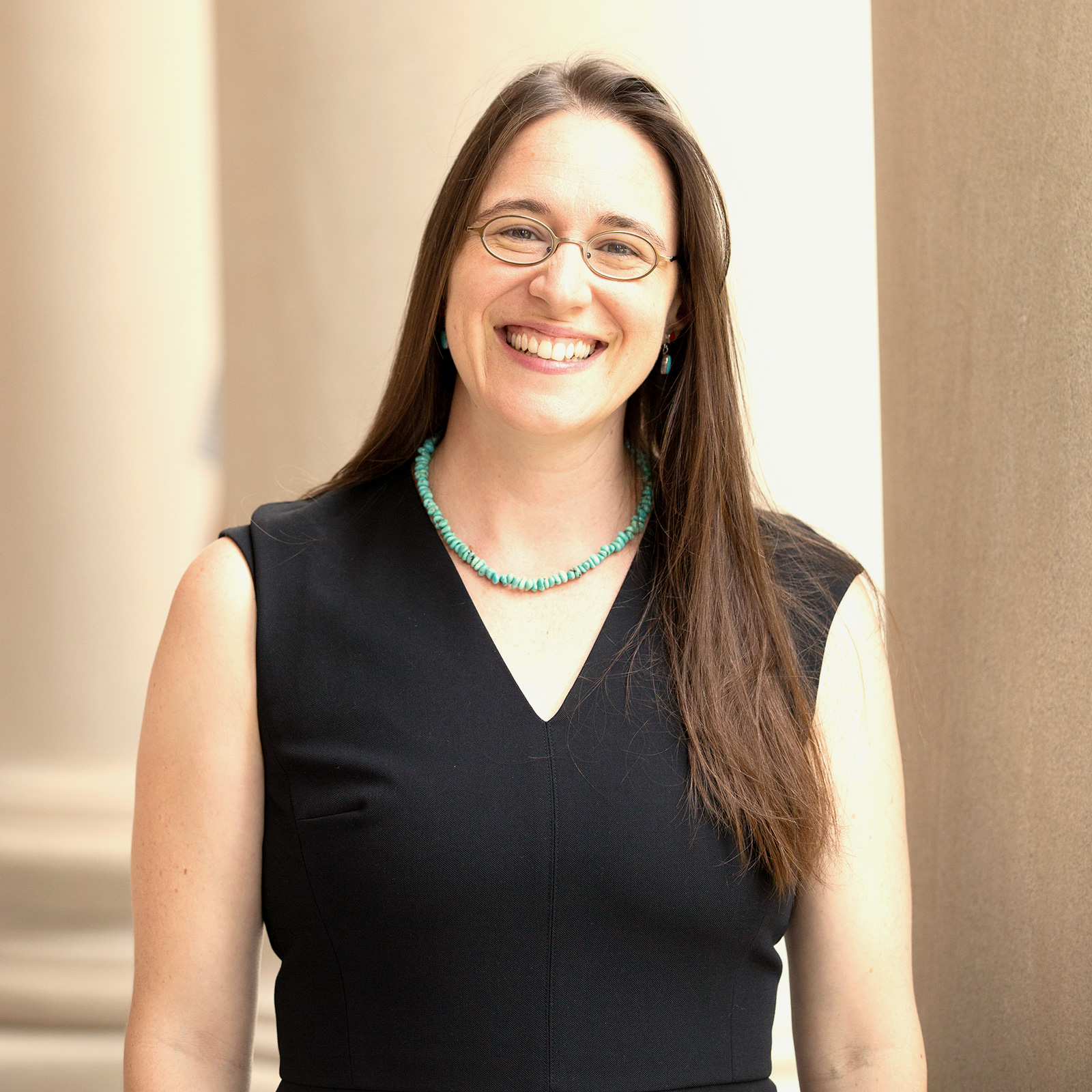
I love teaching Harvard Summer School courses because we really get to know each other as a class. Coming together to read and think about literature in all its complexities is one of the most natural ways of forming community.
Professor of English, Harvard University
The name “Shakespeare” is virtually synonymous with great literature. In this course, I wanted to give students the chance to think deeply about what that means. We read five of Shakespeare’s most loved plays, and study the meanings they carried in their own time, and their ongoing life in the interpretive fields opened by new performances and productions.
Along the way, we discuss the cultural processes of assigning value to literary works, the relationship between literature and politics, and concepts of accessibility, democratization, and canon expansion, as they are expressed through the figure of an author who continues to be perceived as shorthand for “great poetry.”
Shakespeare is one of the most significant writers in world literature and this course makes works of great complexity and fascination accessible to everyone. Shakespeare’s plays are “for all time” — but they are also very much of their own time. This course explores the way that Shakespeare’s plays performed at a theater called “The Globe” more than 400 years ago have now become part of international culture.
For me, the highlight of the course is always the student projects. Each student becomes an expert in one Shakespeare production by researching the director, actors, and concepts that were used to bring the play to life. The projects showcase at the end of the class really captures the richness and vitality of Shakespeare and theater as an art form.