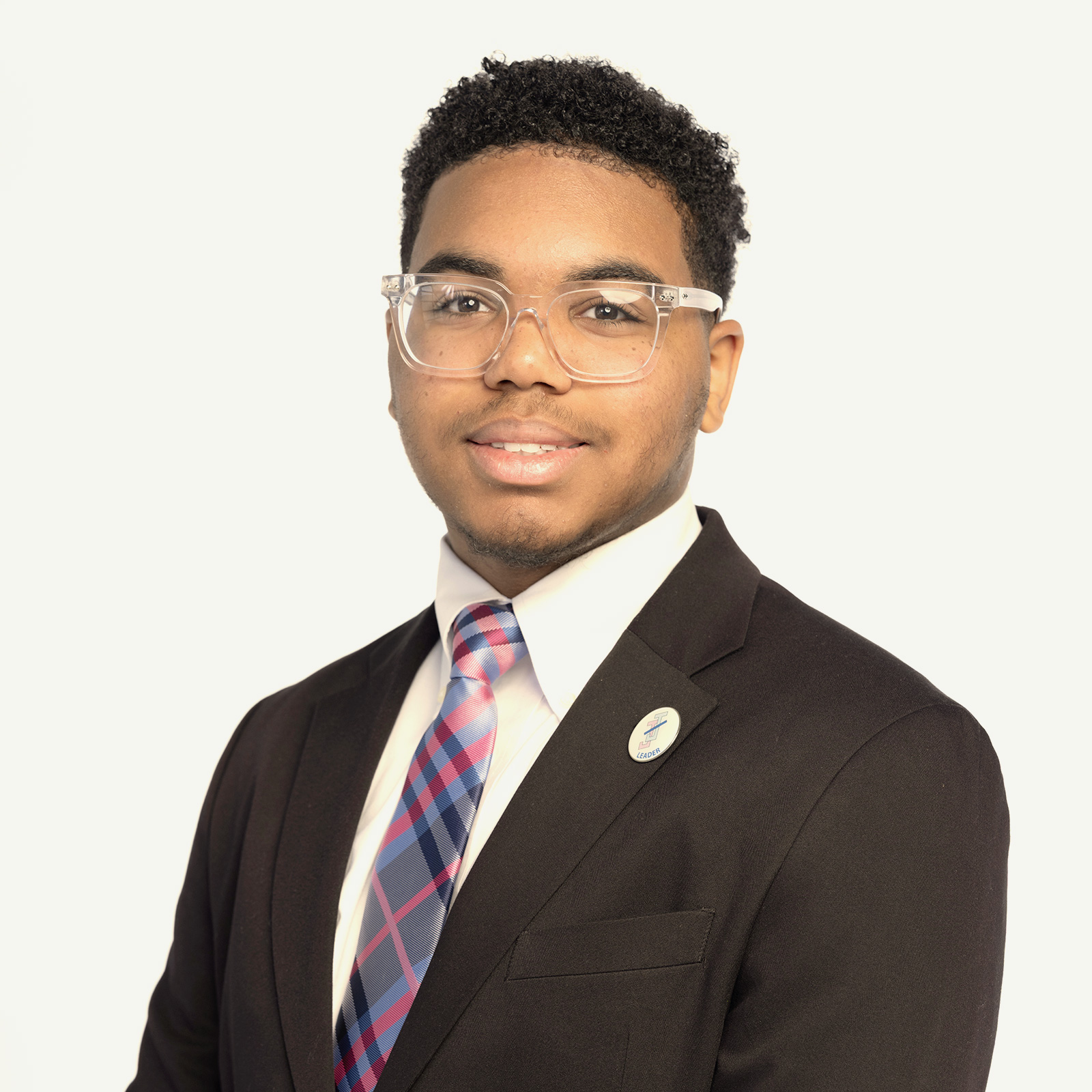
In my hometown, working hard or having ambition makes you stand out. But at Harvard, hard work, ambition, and dedication just make you part of the community.
When I discovered that Harvard’s 7-Week Secondary School Program (SSP) was available online, I knew I wanted to test myself, work with other motivated students, and experience Harvard’s challenging coursework.
I live in Tarsus, Turkey, and the online program made it possible for me to attend Harvard courses from home. I wanted to experience Harvard’s rigor at the highest level, and the seven-week program is the closest to the Harvard undergraduate academic experience.
Pursuing My Interests
I’ve always been curious about studying computer science; I’m fascinated by how it combines logic and creativity to build something new. I like how you can start with nothing but an idea, and a few lines of code later, you’ve built something that works (or occasionally, something that fails spectacularly). So last summer, I signed up for Harvard’s CSCI-S7 course, “Introduction to Computer Science with Python.”
For me, computer science isn’t just another subject, but a lens for exploring the world. That’s why I was especially excited to work with Harvard’s instructors, who are not only passionate and world-renowned but also have lived experience working in computer science. My professor, Dr. Henry Leitner, actually taught Mark Zuckerberg and roomed with Bill Gates when he was in college.
But even though both the faculty and students were impressive, titles and status were unimportant in the classroom. I found myself studying alongside a physics professor from Georgia Tech and another student with a Ph.D. in chemistry. But nobody introduced themselves with their credentials — we were all simply students trying to crack the same problem sets.
I found it funny: here I was, still in high school, working with someone who had been teaching longer than I’ve been alive. And we’re both equally stuck on the same line of code. That kind of academic humility and shared struggle showed me how much learning is really about curiosity, not status.
Connecting with the Harvard Community
As an online student, I was initially concerned that I wouldn’t be able to connect with instructors and fellow students as easily as on-campus students. Fortunately, this turned out not to be the case; both faculty and classmates were all incredibly supportive.
After class ended, instructors kept Zoom meetings open a little longer, which gave online learners like me an opportunity to chat with them. Despite the time difference as an international online student, I often stayed after the lecture to chat more.
Harvard also offers high-quality class recordings, and while I could’ve tuned into classes the following day, I would’ve missed the opportunity to connect with my instructors and fellow students. Those after-class conversations with my instructors were some of the most important I’ve ever had about computer science.
Additionally, the connections I made with my classmates were incredibly important for navigating the ups and downs of challenging coursework. I have a very clear memory of opening my Canvas page and seeing that I had received an 8 out of 55 on my midterm quiz. Even though it was a practice assessment, I was heartbroken. I was still learning how to operate within Harvard’s academic culture in terms of approach, expectations, and how to use the resources around me effectively.
I saw my grade just before a student leadership webinar and when I logged on, I ended up telling everyone about the disappointing quiz result. How could I possibly succeed in the actual midterm? I was convinced I wasn’t going to pass the class.
But everyone in the meeting supported me. They reminded me that I was still adapting to the program, that we’d just started, and it was totally fine that I was still adjusting. They helped me reframe the result, which allowed me to believe that this grade wasn’t an accurate reflection of my full capabilities, and I could improve.
Academic and Personal Growth
Once I began engaging fully with the academic support systems, especially working closely and proactively with TAs, my experience shifted decisively. I felt fully integrated into the academic environment, and from that point forward, my performance consistently reflected that. I earned a 42 out of 55 on the midterm, and a 150 out of 150 on the final — a perfect score. I completed the course with an A.
I learned that nobody grows alone — reaching out, sharing ideas, supporting each other, and working together got me further than I could’ve gone alone. Forging those connections with others was instrumental to my progress. At Harvard, I also learned how to balance independence with collaboration, manage my time wisely, and stay disciplined even when facing late-night classes.
For anyone attending Harvard Summer School or SSP, I encourage you to remember that adapting to Harvard’s challenging curriculum takes time — but with the Harvard community behind you, you can do it.